
e-Mobility
e-Mobility Compliance: EVs, Micromobility, Batteries, and Charging
Regulatory approvals for electric vehicles, e-bikes and micromobility, traction batteries, and charging equipment: vehicle, battery safety and transport, electrical certification, and battery producer obligations across markets.
The category
An electric vehicle is a vehicle, a battery product, an electrical product, and a producer obligation. Each has its own regulator.
The regulatory picture
Electrification multiplied the regulatory regimes a mobility product carries.
Electric mobility spans passenger EVs and commercial electric vehicles, e-bikes, e-scooters, and other micromobility, electric motorcycles, and the batteries and charging equipment that power them. Each of these sits under vehicle or machinery regulation appropriate to its class, and each also carries the battery and electrical regulatory set that combustion products never had. Traction batteries need safety certification under standards such as IEC 62660, ISO 6469, and UNECE R100, transport certification under UN 38.3, and producer responsibility registration with the new due diligence, carbon footprint, and passport requirements of the EU Battery Regulation. Chargers are electrical products under IEC 61851 and national certification, and grid-connected devices with their own rules.
Micromobility is where the regulatory picture is least settled. Speed and power thresholds decide whether an e-bike is a bicycle, a moped, or a motorcycle, with completely different approval routes, and the thresholds differ by market. Battery fires have driven new mandatory battery safety requirements for e-bikes and e-scooters in several jurisdictions. Some cities and countries have banned or restricted certain devices outright. A micromobility product compliant in one market can be illegal to sell, or to ride, in the next.
ORBIS Compliance works with e-mobility manufacturers on the vehicle or machinery approvals, the battery safety, transport, and producer obligations, the charger and electrical certification, and the radio approvals for connected products, as one program per product and market.
Product types
e-Mobility products we support
Electric vehicles
Passenger and commercial EVs under vehicle type approval with UNECE R100 electric powertrain safety, battery regulation, and charging interface requirements.
e-Bikes and pedelecs
Electrically assisted bicycles under EN 15194, UL 2849, and national frameworks, with speed and power thresholds deciding the classification per market.
e-Scooters and micromobility
Standing scooters, e-mopeds, and personal transporters under fast-changing national rules, battery safety mandates, and use restrictions.
Traction and light mobility batteries
Packs and modules under IEC 62660, IEC 62133, ISO 6469, UN 38.3, and the EU Battery Regulation's producer, due diligence, and passport requirements.
Charging equipment
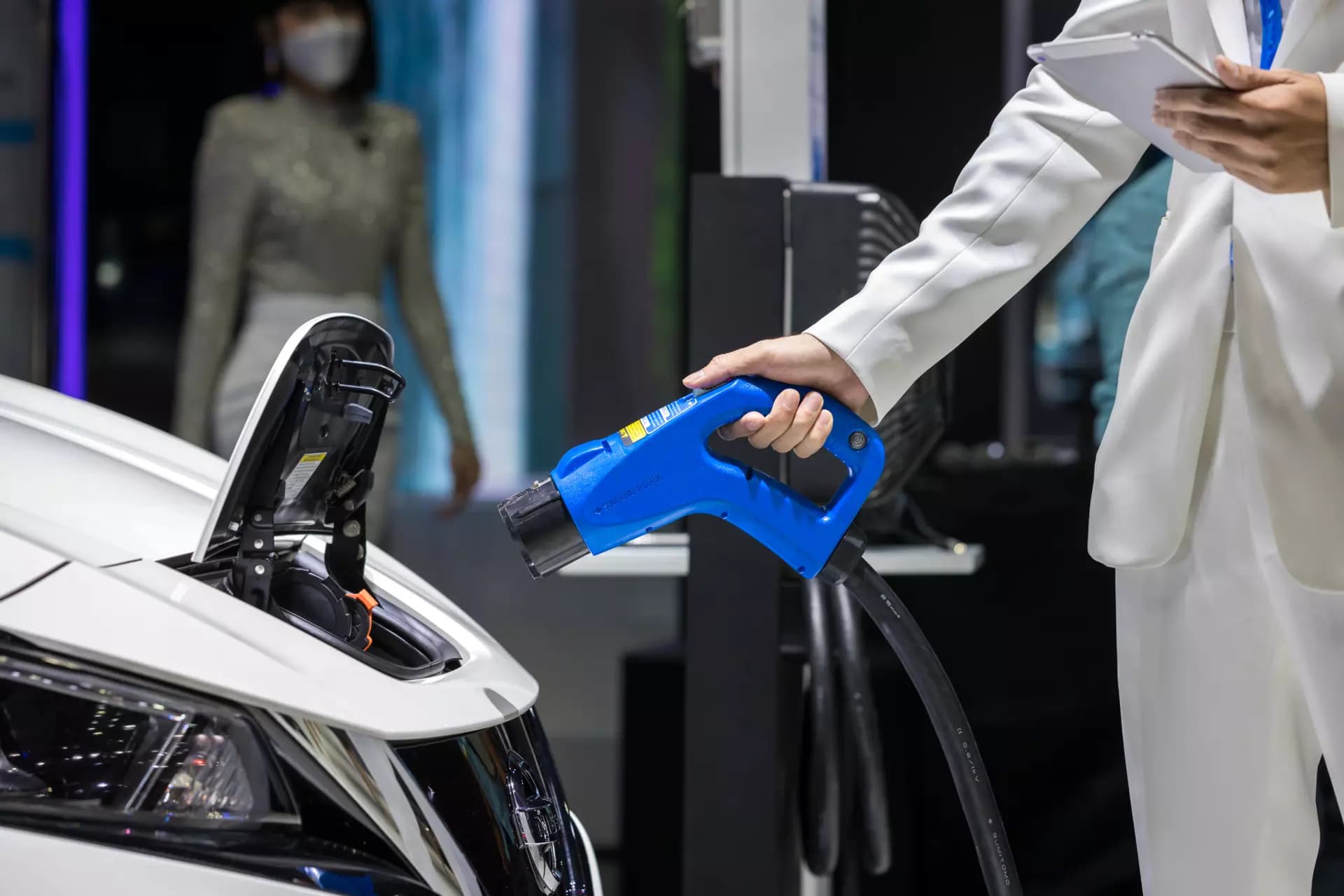
Home, public, and fleet chargers under IEC 61851, IEC 62196, national electrical certification, grid connection rules, and where connected, radio and cyber requirements.
Electric motorcycles and L-category
Two- and three-wheelers under L-category type approval with electric powertrain provisions and battery regulation.
The battery
The battery carries its own regulatory life, in every market, for as long as it exists.
A traction or light mobility battery needs safety certification appropriate to its application, UN 38.3 transport testing before it can ship by air, sea, or road, and dangerous goods documentation for every movement. In the market, it's a product under battery producer responsibility: registration, collection financing, labeling, and reporting. Under the EU Battery Regulation, larger batteries are gaining supply chain due diligence, carbon footprint declarations, recycled content requirements, and a digital battery passport, all phasing in on published dates. Several markets are adding mandatory battery safety certification for e-bikes and e-scooters specifically.
These requirements come from different regulators than the vehicle approval and run on different timelines. In e-mobility programs run through a vehicle or product lens, the battery obligations are the ones that surface late, and they can stop a shipment at the freight forwarder before it reaches customs.
ORBIS scopes the battery safety and transport certification, runs the battery producer program across markets, and tracks the phase-in of new battery regulation against your products through law impact analysis.
Charging
Chargers are electrical products, grid devices, and increasingly connected ones.
EV and micromobility chargers need electrical safety certification under IEC 61851 and national schemes, EMC compliance, and for grid-connected chargers, compliance with grid connection and metering rules that vary by country. Smart chargers add radio approval for Wi-Fi, cellular, or Bluetooth, and cybersecurity requirements are arriving for connected charging equipment in the EU, UK, and elsewhere. Public chargers add accessibility, payment, and open protocol requirements in many markets.
ORBIS scopes the charger as its own product with its own approval set, coordinated with the vehicle or device it serves.
Questions
e-Mobility compliance
Our e-bike is EN 15194 compliant. Can we sell it in the US?
+
Not on that basis alone. US federal rules define low-speed electric bicycles with their own thresholds, several states have class systems, and battery and electrical safety certification to UL 2849 or equivalent is increasingly required by regulators, retailers, and insurers. ORBIS maps the route for your product in each market.
Can we ship our batteries before UN 38.3 testing is complete?
+
Generally not by air, and not lawfully as dangerous goods without the required test summary and documentation. UN 38.3 has lead times and should be planned early in the program, before samples need to move internationally for other testing.
What does the EU Battery Regulation require for e-mobility batteries?
+
Depending on the battery category and the phase-in date: producer registration and financing, new labeling and QR-code information, due diligence for larger batteries, carbon footprint declarations, recycled content minimums, removability rules for light mobility batteries, and the battery passport. ORBIS maps the requirements and dates to your specific batteries.
Electric products approved for the road, the grid, and the battery regulator.
Bring the vehicle or device, its battery, its charger, and the markets. We'll map the vehicle, battery, electrical, and producer requirements each one carries and sequence them to your launch.
Book a Discussion