Textiles & Apparel
Textile and Apparel Compliance
Fiber content and care labeling, chemical restrictions, flammability, children's apparel safety, and emerging textile producer responsibility for clothing, footwear, and textile products sold across markets.
The category
Textiles are regulated for what they're made of, what's on them, how they burn, and increasingly what happens to them afterward.
Clothing, footwear, home textiles, and technical textiles have historically faced lighter regulation than electrical goods, focused on fiber labeling, care instructions, and a handful of safety rules. That's changing quickly. Chemical restrictions on textiles have expanded sharply: azo dyes, formaldehyde, PFAS in water repellents, restricted flame retardants, heavy metals in dyes and trims, and the growing list under REACH and national rules. Children's apparel carries specific safety requirements for cords, drawstrings, small parts, and flammability. And textiles are being drawn into producer responsibility, with the EU and several countries introducing or planning take-back and eco-design obligations for clothing.
The regulatory picture is national. Fiber content labeling rules, care symbol conventions, origin marking, and language requirements differ by market. Chemical limits differ. Flammability standards for nightwear, upholstery, and children's clothing differ. Registration or certification is required for certain textiles in some markets, notably China's GB standards and various national schemes. For a brand selling globally, the label alone can require a market-by-market review.
ORBIS Compliance works with apparel brands, textile manufacturers, and importers to manage labeling, chemical compliance, safety testing, and the emerging producer obligations across their markets, as a program that scales with the range and the seasons.
The textile regulatory set
What textiles and apparel are regulated for.
- Fiber content labeling under EU Textile Regulation, US FTC rules, and national equivalents, with permitted fiber names and tolerances that vary.
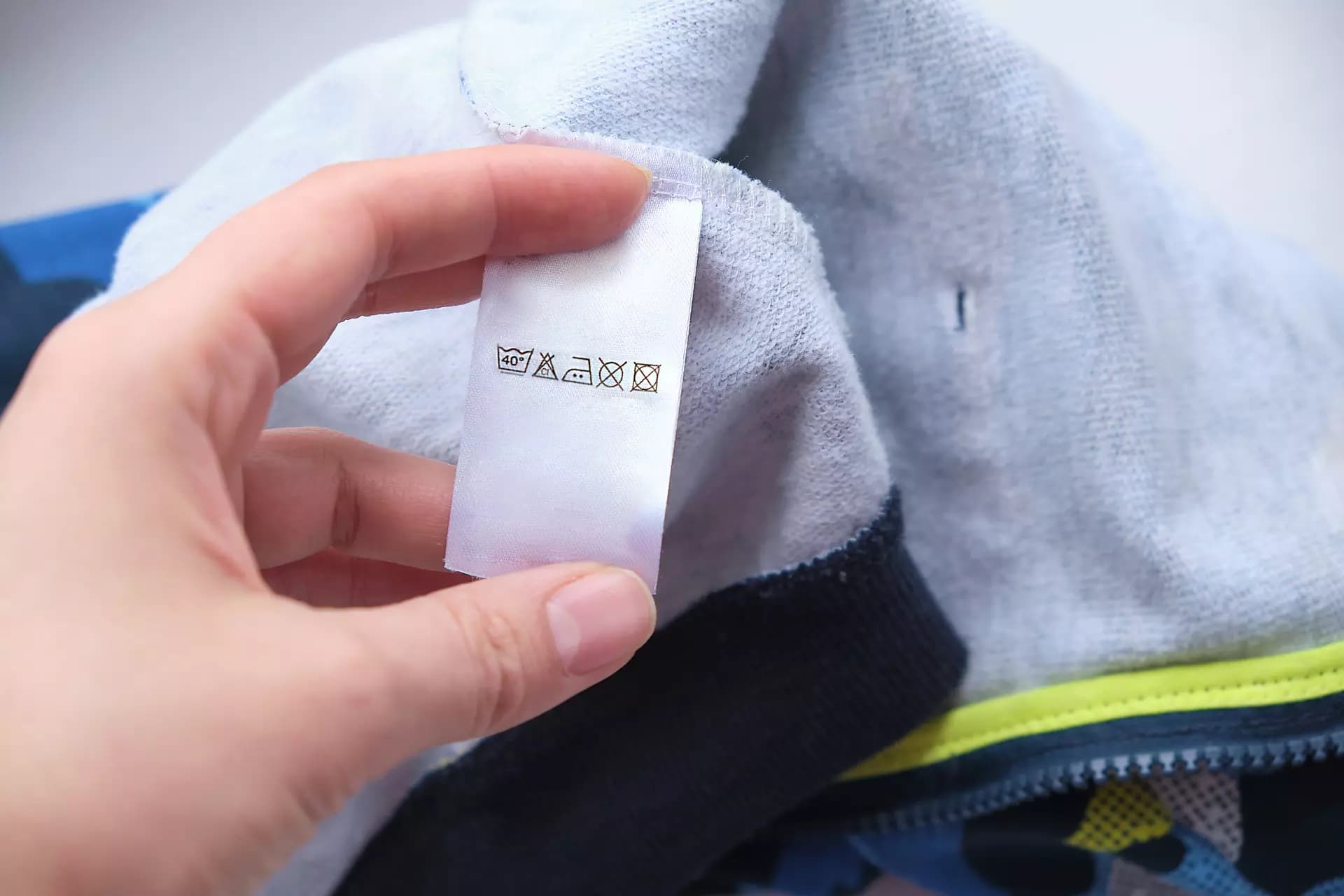
- Care labeling using the symbol systems and wording each market requires or expects, and origin marking where mandatory.
- Chemical restrictions: REACH Annex XVII textile entries, POPs, PFAS restrictions, California Proposition 65, and national limits on formaldehyde, azo dyes, and heavy metals.
- Flammability standards for children's sleepwear, upholstered furniture textiles, and general apparel in specific markets.
- Children's apparel safety: cords and drawstrings, small parts, and design requirements under EN 14682, CPSC rules, and national standards.
- Footwear labeling and material rules, plus chemical restrictions on leather and synthetic components.
- Mandatory national standards such as China's GB 18401 and GB 31701, with testing and sometimes certification.
- Producer responsibility for textiles, arriving in the EU and adopted in several countries, with registration, take-back, and eco-design obligations.
Chemical compliance in textiles
The finish, the dye, and the trim carry most of the risk.
Textile chemical compliance turns on the supply chain. The fabric's dyes, the water-repellent or wrinkle-resistant finish, the print, the zipper and button plating, the adhesive in a shoe, and the elastane in a waistband each bring substances that may be restricted somewhere. Supplier declarations are the backbone of the file, and they're only as good as their specificity: a declaration for a fabric family doesn't cover a new finish, and a declaration against last year's restriction list doesn't cover this year's PFAS rule.
Restricted substance lists are a standard tool in the industry, but they have to be kept current against the legal restrictions in each market and applied to the specific materials in each product. Testing is targeted at high-risk materials and where documentation is weak.
ORBIS runs the chemical compliance program for textile ranges: maintaining the restricted substance requirements per market, reviewing supplier declarations against them, scoping targeted testing, and tracking the restrictions that change against the products they affect in ORBIS Intelligent Compliance.
Producer responsibility
Textiles are joining electronics and packaging in take-back regulation.
Extended producer responsibility for textiles is moving from a few pioneering countries to a broad requirement. The EU is establishing textile EPR with registration, fees, and collection obligations, and eco-design rules for textiles are following. Several countries have national schemes in place or in preparation. For apparel brands, this means producer registration, reporting of quantities placed on the market, financing collection, and design requirements arriving on a schedule that varies by country.
ORBIS tracks textile EPR as it develops, assesses its impact on your range and markets through law impact analysis, and handles the registrations and scheme memberships as they become required.
Questions
Textile and apparel compliance
Can one label work for all our markets?
+
Rarely in full. Fiber names, care symbols, language, and origin requirements differ enough that most global brands use market-specific labels or multi-market labels designed to satisfy several jurisdictions at once. ORBIS reviews label designs against each target market so a shared label is actually compliant everywhere it's used.
Do we need to test every garment for restricted substances?
+
No. A risk-based program combining supplier declarations, material and finish knowledge, and targeted testing is standard. The key is that declarations are specific to the materials actually used and current to the restrictions in each market. ORBIS designs and runs that program.
Which markets require certification or registration for textiles?
+
China requires compliance with mandatory GB standards and, for some products, certification. Several other markets have registration, marking, or conformity requirements for specific textile categories. Most rely on labeling and market surveillance. ORBIS confirms the requirements per product type and market.
Apparel labeled, tested, and registered for every market it ships to.
Bring the product range, the materials and finishes, and the markets. We'll map the labeling, chemical, safety, and producer requirements each one carries and set up the program to keep them current.
Book a Discussion